

We often get people asking “What’s the difference between a fabric liner and a fibreglass pool liner..?”
Or they want to know: “Should I just re-paint my concrete pool again, or get a fibreglass liner installed..?”
In this article, we look into the benefits of each of the common lining methods of concrete pools.
- Painted Concrete.
This is usually the most economical option, so some pool owners default to this due to the low upfront cost. However a painted pool does require more regular maintenance and more frequent re-painting, and often additional preparation is required, so it can have a higher cost over the lifetime of the pool. - Tiled Concrete.
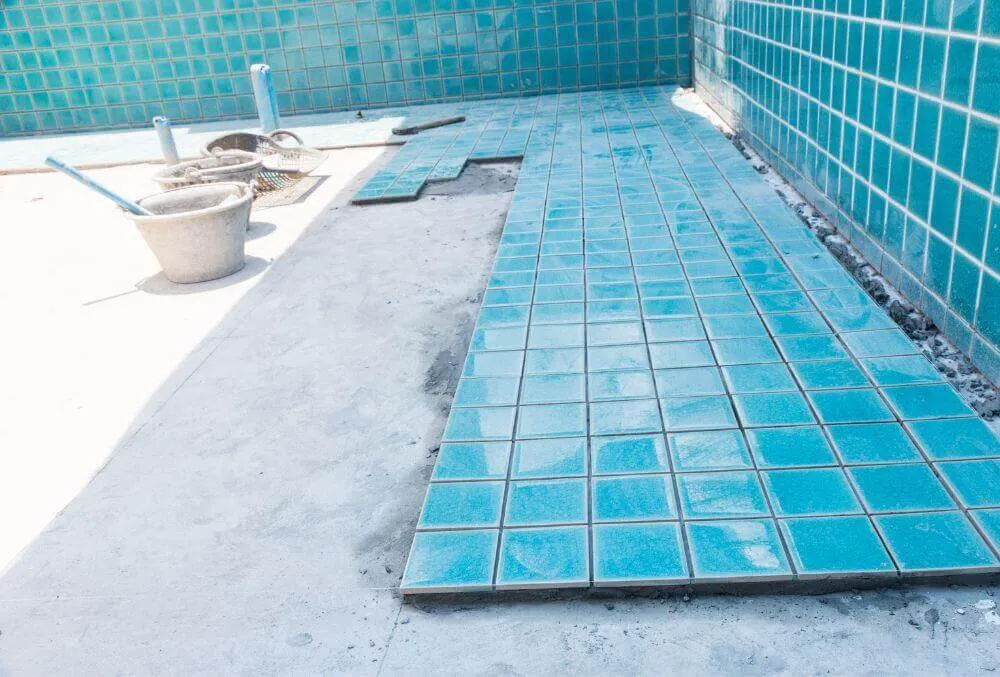
Covering your pool with custom tiles offers extensive flexibility in design and can look stunning, but the up-front installation cost is usually the highest option. The tiles will last a long time when installed correctly, but remediation or repairs can also be costly. - Fabric or Vinyl Liner.
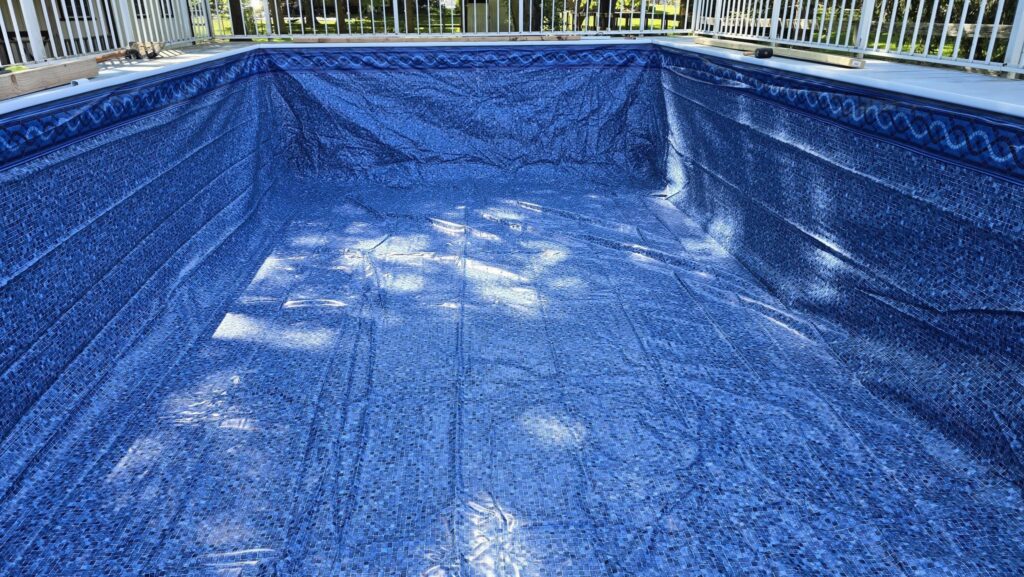
Installing a fabric liner is often an economical way to get a fully waterproof finish to your concrete pool. However these can be vulnerable to punctures, seam deterioration, and fading over time, and do require to be replaced periodically. - Applied Fibreglass Pool Lining.
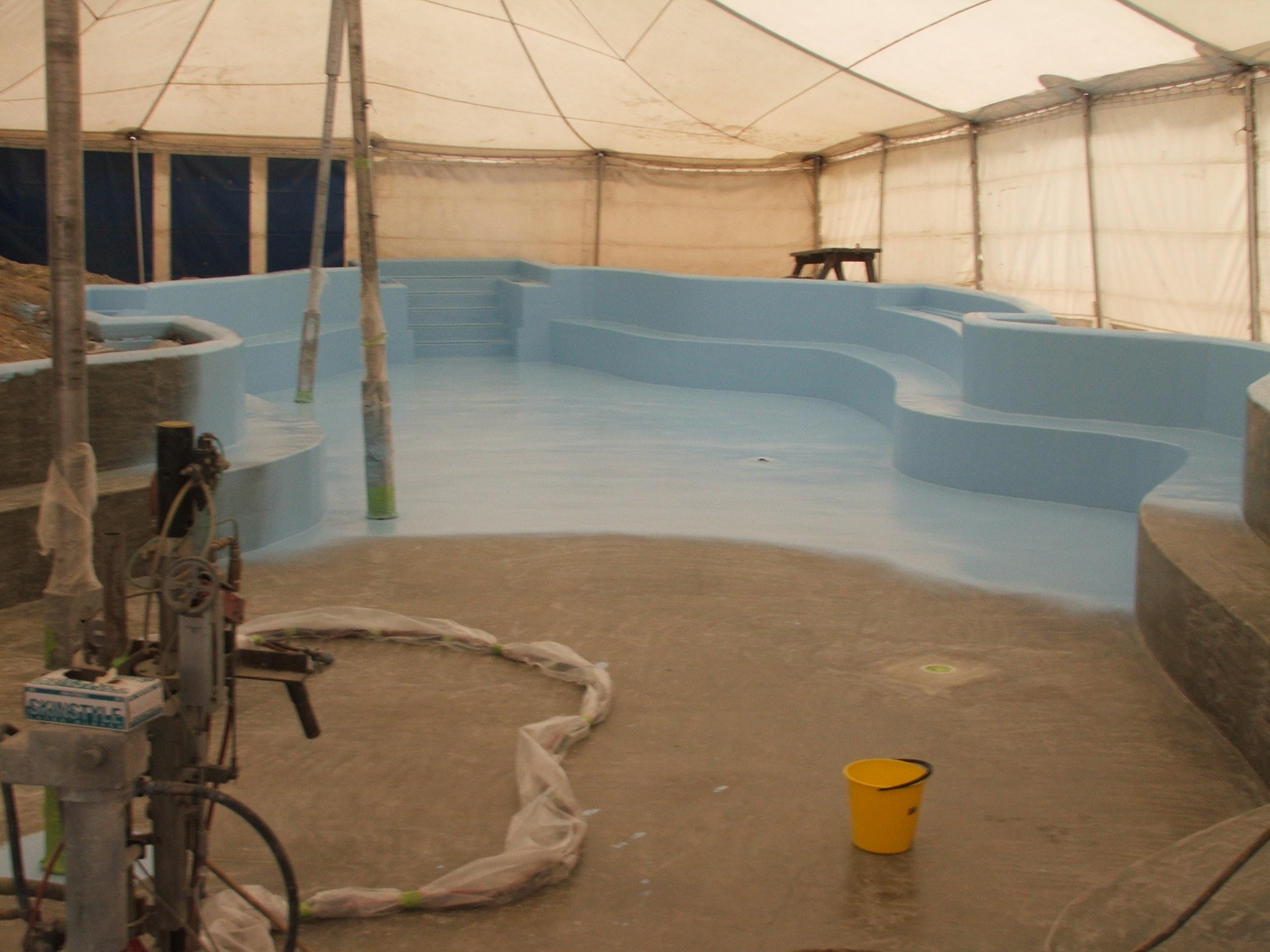
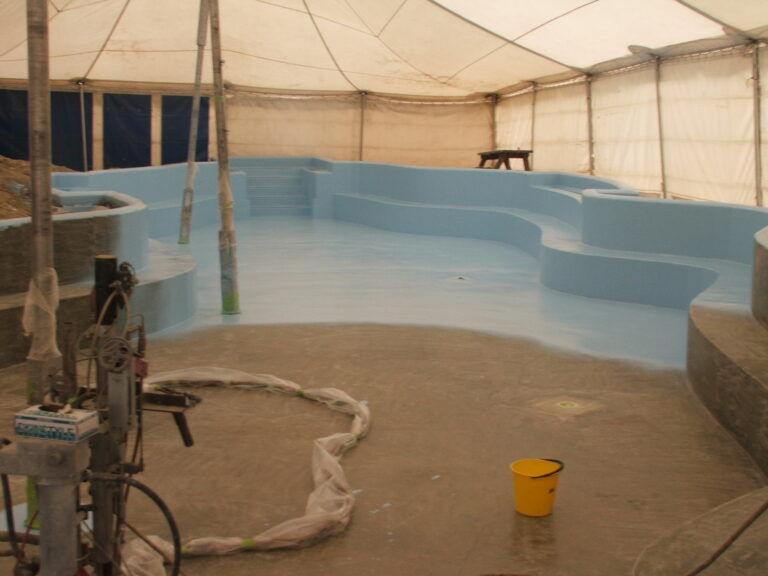
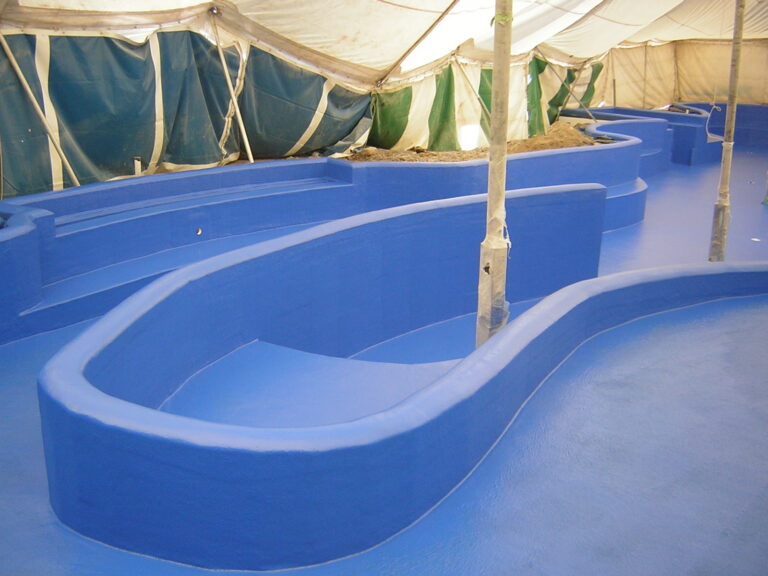
An Applied Fibreglass Lining gives a great balance of performance and cost to your new or refurbished concrete pool.The fibreglass lining offers a seamless, waterproof surface that is durable and impact resistant. It is suitable for both new builds and renovations. While it may not be the cheapest in terms of the upfront cost, it offers a long service life with low maintenance.
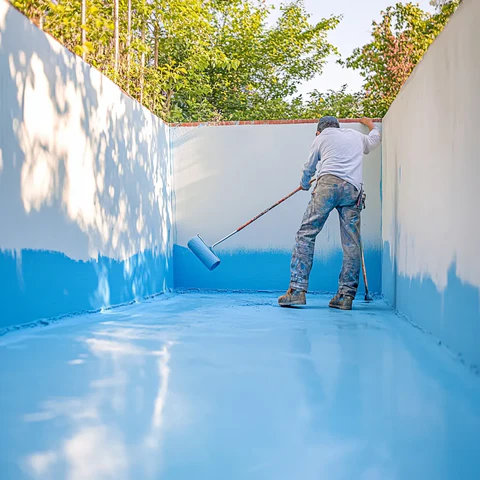
For many new home builders, the fibreglass lining of a concrete pool sits in the middle ground between a traditional tiled concrete pool and a one-piece fibreglass pool – offering much of the durability and low maintenance of fibreglass while retaining the design flexibility of a custom concrete pool.
See the table below rating the features and benefits of each pool lining method.
| Feature | Applied Fibreglass Lining | Fabric/Vinyl Liner | Painted Concrete | Tiled Concrete |
| Initial Cost | Medium | Low to Medium | Low | High |
| Lifespan | 20+ years | 8–12 years | 2–6 years before repainting | 25–50+ years |
| Maintenance | Low | Medium | High | Medium |
| Surface Smoothness | Excellent | Excellent | Good initially | Good |
| Waterproofing | Excellent | Excellent | Moderate | Excellent when properly installed |
| Algae Resistance | High | Moderate to High | Moderate | Moderate |
| Repair Costs | Low to Medium | Medium | Low but frequent | High |
| Design Flexibility | Good | Excellent | Good | Excellent |
| Premium Appearance | High | Moderate | Moderate | Very High |
| Resistance to Punctures & Impact | Excellent | Moderate | Good | Excellent |
| Risk of Wrinkles or Surface Movement | None | Possible over time | None | None |
| Ease of Cleaning | Excellent | Good | Fair | Good |
| Installation Time | Fast | Fast | Fast | Slow |
| Whole-of-Life Cost | Low | Medium | High | Medium to High |
| Applied Fibreglass Lining | Fabric/Vinyl Liner | Painted Concrete | Tiled Concrete |
For most residential concrete pools, an applied fibreglass liner is often the “sweet spot” because it delivers a smooth, attractive, waterproof, low-maintenance finish at a significantly lower cost than tiling, while avoiding the ongoing repainting cycle associated with painted concrete.
For the same reasons, commercial pool operations now commonly prefer to have a Bermuda Pool Lining applied to their pool walls too.
Click here to read more about Bermuda Pool Linings.
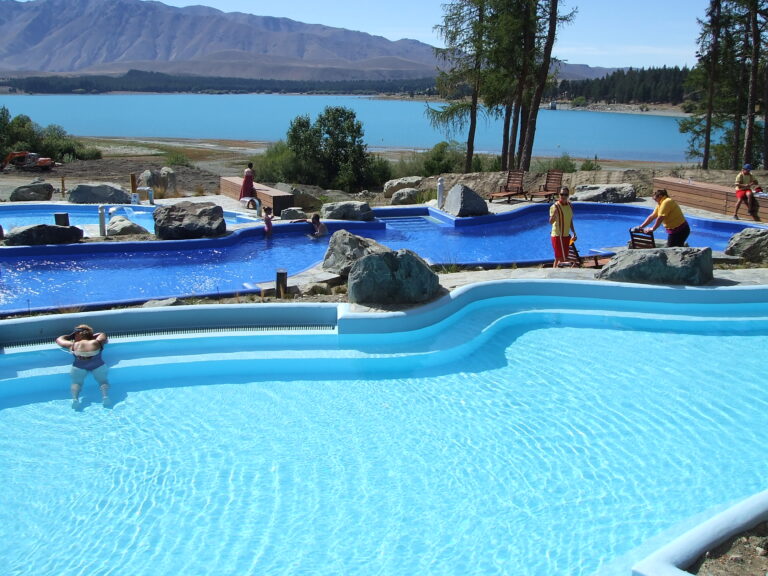
Some of the pools that feature our fibreglass lining work include: Lake Tekapo Hot Springs, Hanmer Thermal Springs,
He Puna Taimoana New Brighton Hot Pools, Methven Opuke Hot Pools, and many council owned community pools.